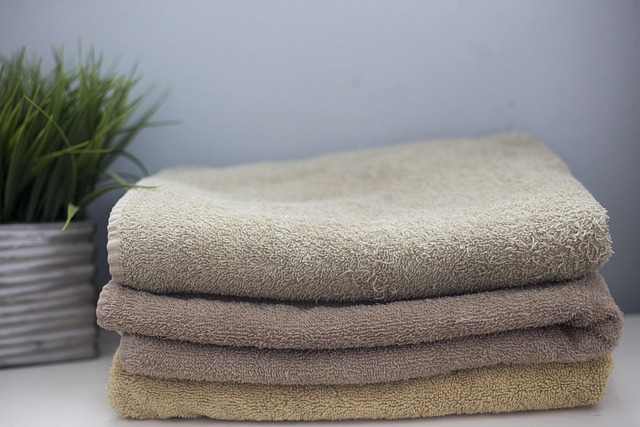
Care routines for cotton that feel simple and reliable.
This section turns fabric knowledge into everyday habits. Learn how to wash, dry, and store towels, bathrobes, and bedding so they stay comfortable, fresh, and resilient, without harsh shortcuts or exaggerated claims.
Detergent dosing and rinse habits to reduce residue and stiffness.
Drying and airflow routines that support absorbency and freshness.
Storage methods that protect fibres and prevent damp odours.
Simple stain handling approaches based on fabric type and colourfastness.
Always follow the care label first. Use these guides as general education and adapt to your machine and water conditions.
Core care principles
Most comfort issues come from a small set of repeated choices: how much detergent is used, how textiles are dried, and whether fibres get enough airflow between uses. The aim is to keep cotton clean without coating it. Cotton absorbs water by using open fibre spaces and terry loops, so heavy residues can reduce absorbency and change the feel. Heat and friction can also shorten the smoothness of fibres over time.
In Ireland, many homes experience higher humidity for parts of the year, which makes drying speed and ventilation especially important. A gentle routine does not mean under-washing. It means using the right temperature for hygiene, allowing thorough rinsing, and choosing drying methods that keep fibres springy. If you adjust your routine, change one variable at a time so you can observe what improves softness and freshness.
Dose with intention
More detergent does not always clean better. When residues remain, textiles can feel waxy or stiff. Start with label dosing for your water hardness and load size, and prioritise a good rinse.
Airflow is part of care
Drying fully between uses helps prevent musty odours and reduces the need for aggressive washing. Spread towels out, avoid tight folds when damp, and use ventilation where possible.
Match temperature to purpose
Use the mildest setting that meets your hygiene needs and suits the care label. Higher temperatures can be appropriate for certain items, but repeated high heat may reduce softness.
Rotate and rest
Rotating towels and bedding gives fibres time to recover and dry thoroughly. It also helps you notice wear early and adjust routines before items lose performance.
A calm weekly baseline
Use this as a starting point and adjust by household needs and label instructions. The aim is steady maintenance, not perfection.
Towels
Wash when needed, dry fully between uses, avoid coating fibres, and store only when completely dry.
Bathrobes
Air out after wear, wash based on use, and keep drying gentle to preserve loops and softness.
Bedding
Follow label guidance, reduce friction with sensible load size, and store in breathable conditions.
Care tutorials
These tutorials are written as practical decision trees. They do not replace care labels or appliance instructions, but they help you understand why a routine works and what to change when comfort declines.
If towels feel scratchy or stop absorbing well, start by checking residue and drying habits. Use the correct load size so water can move through the loops, and avoid routines that leave a coating on the fibres. Prioritise a thorough rinse, then dry fully and store only when completely dry.
Common causes
Overdosing detergent or using softeners frequently
Overdrying at high heat or drying while tightly folded
Storing towels before they are fully dry
Bathrobes: loop care and shape
Bathrobes often combine absorbency with comfort. To preserve the feel, avoid unnecessary friction and treat belts and seams gently. Zip up or tie loose elements to reduce snagging, then dry in a way that supports shape without hard heat. Airing out between wears often reduces how often a robe needs washing.
Gentle routine
Turn inside out to protect surface loops
Use moderate spin if labels allow, to reduce drying time
Dry fully and allow a short rest before folding
Bedding: freshness and fibre longevity
Bedding comfort is influenced by fibre type, weave, and washing friction. Keep loads balanced so sheets can move freely. Where labels allow, a gentle cycle can reduce surface wear while still cleaning well. Drying choices matter too: overdrying may increase stiffness, while underdrying can create damp odours during storage.
Focus points
Balanced load size and thorough rinse
Dry fully, then store in breathable conditions
Rotate sets to reduce constant wear on one item
Care checklist: diagnose the problem
When comfort changes, the cause is often consistent. Use this checklist to narrow down what is happening. The most effective improvements are usually small adjustments repeated over time, such as using the right dose, increasing airflow, or choosing a different drying approach for the season.
If an item has special finishes, delicate trims, or bold dyes, always prioritise label instructions. If you are unsure, select the gentler option and observe the results across two or three wash cycles before making further changes.
Common symptoms and adjustments
Stiff or scratchy feel
Consider residue, overdrying, and high heat. Reduce detergent to label guidance, use an extra rinse where appropriate, and avoid drying past fully dry. If stiffness persists, review water hardness and adjust dosing gradually.
Musty smell after drying
Smells often come from slow drying and limited airflow. Improve ventilation, spread items out, and avoid leaving damp textiles in a basket. For persistent odours, follow label guidance and consider whether the item is drying fully before storage.
Low absorbency in towels
Absorbency declines when loops are coated or flattened. Avoid routine use of softeners, ensure thorough rinsing, and allow full drying. If towels are very thick, check whether your drying method is leaving them slightly damp.
Pilling or surface fuzz
Pilling can be influenced by friction and mixed loads. Wash similar textures together, avoid overloading, and choose cycles that reduce abrasion. Some initial fuzz is normal for certain cotton constructions and often stabilises with consistent care.
These care resources are educational and general. Always follow the care label and your appliance manufacturer instructions. Results can vary based on fabric composition, dyes, finishes, water hardness, detergent type, and drying environment. If an item is valuable or delicate, consider professional cleaning guidance.
Cookie preferences
We use cookies to improve your experience, for analytics, and to deliver personalized advertising through Google and Meta. Read our
Privacy Policy.
Manage cookie preferences
Choose which cookies you allow. Essential cookies are required for core site functionality and cannot be turned off.
Essential cookies
Core site functionality, security, and consent storage.
Always on
Examples: session_id, csrf_token, cookie_consent_status. Retention: session duration or up to 12 months for preference storage.
Analytics cookies
Helps us understand site usage and improve performance (Google Analytics 4).
Examples: _ga, _ga_XXXXXXX, _gid, _gat. Consent required: yes. Retention: up to 14 months.
Marketing and advertising cookies
Remarketing and conversion tracking for Google and Meta advertising.
Consent required: yes. Retention: up to 540 days.
By clicking "Accept All Cookies", you consent to analytics and advertising cookies. You can change your choice at any time.
Privacy Policy