Quick navigation
The sections below cover cotton quality, towel and bathrobe care, bedding routines, sustainability, and workshops. If a label or appliance manual conflicts with general advice, follow the label first.
Cotton and fabric basics
Quality terms, weaves, and blends
Care routines
Softness, absorbency, drying
Home comfort
Bathroom and bedroom styling
Workshops
How sessions work and what to expect
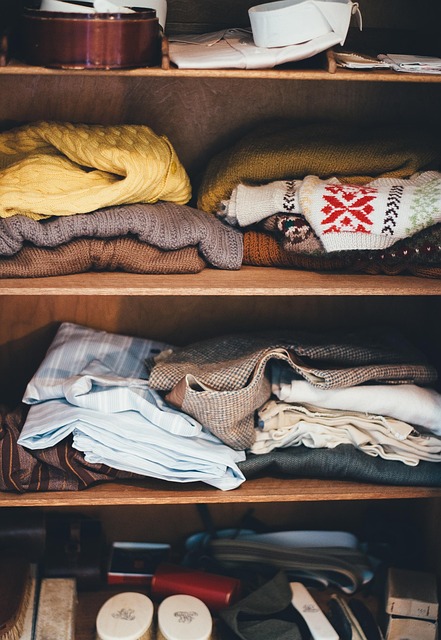
Illustrative image. CelticVoice provides educational guidance rather than product-specific guarantees.
Cotton and natural fabric basics
These questions focus on understanding what you are holding in your hands: fibre type, yarn structure, weave, and the practical meaning of common quality terms. The goal is to help you make calm, informed choices and avoid confusion created by vague descriptions.
What does GSM mean, and how should I use it?
GSM means grams per square metre. It describes fabric weight and, in many cases, hints at thickness and warmth. For towels, higher GSM can feel plush, while mid-range GSM may dry faster and be easier to wash frequently. For bedding, GSM can reflect how substantial a sheet feels, but weave and yarn quality still matter.
Use GSM as one data point rather than a final verdict. Comfort depends on your routine: drying conditions, storage airflow, and how often items are washed. If you want a balanced starting point, choose textiles that feel comfortable in hand and match your home environment, then use consistent care to preserve performance.
What is the difference between combed cotton and carded cotton?
Combing is an extra step in cotton processing that removes shorter fibres and aligns the remaining fibres. This can create a smoother yarn with fewer loose ends, which often reduces lint and can improve the feel against skin. Carded cotton is still widely used and can be comfortable, but may have more variation in fibre length.
The practical takeaway is that combed cotton often supports a smoother, cleaner texture, especially for items that are washed frequently such as towels and bathrobes. That said, finishing and care habits still have a strong influence on long-term softness.
How do I tell if a fabric is likely to pill?
Pilling happens when loose fibre ends tangle and form small balls on the surface. Fabrics made from shorter fibres, looser yarns, or certain blends can pill more easily. High friction areas like pillowcases, throws, and lounge textiles often show pilling first.
In store or at home, lightly rub two areas of the fabric together and look for fuzz forming quickly. This is not a perfect test, but it can reveal surface instability. Consistent care also matters: gentle cycles, less overcrowding, and avoiding high heat can reduce pilling over time.
Are cotton blends always worse than 100% cotton?
Not necessarily. Blends can be designed to address specific needs, such as faster drying, reduced creasing, or improved durability. The drawback is that blends can be harder to predict: some may feel less breathable or hold odours if care routines do not match the fibre mix.
A simple approach is to decide what matters most for the item. For towels and bathrobes, breathability and absorbency tend to be priorities. For bedding, temperature regulation and feel against skin are often priorities. Then compare fabrics with the same use case rather than relying on fibre content alone.
Care, washing, and softness
The most common comfort problems are not caused by fabric alone. Residue, overdrying, and airflow issues can change how towels and bedding feel. These answers focus on steady routines that protect fibres and keep textiles pleasant to use.
Why do towels sometimes become stiff after washing?
Stiffness is often linked to detergent or mineral residue, plus mechanical stress from high heat drying. Overdosing detergent is common and can leave fibres coated, which reduces flexibility. Hard water can add mineral deposits that make fabric feel rough.
Focus on correct detergent dosing, a thorough rinse, and avoiding very high heat when drying. Good airflow between uses also matters. If you air-dry indoors, aim for space around towels so they dry evenly rather than slowly in a dense fold.
Should I use fabric softener on towels and bathrobes?
Fabric softeners can make textiles feel smoother by coating fibres, but that coating may reduce absorbency for towels. Many households prefer to skip softener for towels and focus on proper washing and drying instead. If you use softener, use it sparingly and observe whether absorbency changes.
A comfort routine that protects absorbency often includes correct detergent dosing, not overcrowding the machine, and drying fully before storage. This combination keeps loops open and helps towels continue to dry skin effectively.
How can I reduce lint and fluff from new towels?
Some initial lint is normal as loose fibres shed from the surface. Wash new towels separately for the first few washes, avoid overloading the drum, and shake towels out before drying to help release loose lint. Cleaning the lint filter regularly is important for dryer efficiency and safety.
If lint persists for many cycles, consider whether washing conditions are too harsh. Excessive agitation or high heat can break fibres more quickly. A gentler cycle and controlled drying can reduce ongoing shedding.
How often should I wash towels and bed linen?
Frequency depends on household size, humidity, and how quickly items dry between uses. A practical standard is to wash towels regularly once they no longer dry quickly or begin to smell less fresh, and to change bedding at a steady interval that feels comfortable for your household.
The core principle is hygiene combined with fibre care. Washing too infrequently can cause odour buildup, while overly hot or aggressive cycles can wear fibres faster. A consistent, moderate routine usually supports both cleanliness and longevity.
Bathroom and bedroom comfort
Comfort styling does not need dramatic changes. These questions focus on simple, realistic steps: choosing textures that feel good, storing textiles so they stay fresh, and building a calm visual rhythm with neutral tones and functional layering.
What is a simple way to make a bathroom feel calmer with textiles?
Start by limiting the colour palette and focusing on texture. A small set of towels in consistent shades often looks calmer than a mix of unrelated colours. Store backups in a dry, ventilated area, and keep daily-use towels spaced so they can dry fully.
Comfort also comes from predictability. A simple routine, such as rotating towels and replacing a worn mat, can improve the feel of the space without changing fixtures or layout.
How do I choose bedding for year-round comfort?
Think in layers. Use breathable base layers that feel comfortable against skin, then adjust warmth with blankets or throws. If your home temperature changes throughout the year, layering is often easier than switching everything at once.
Fabric feel is personal, so focus on what you notice in daily use: does it trap heat, does it dry quickly after washing, and does it remain comfortable after multiple cycles. A steady care routine can help keep the feel consistent across seasons.
How can I keep textiles smelling fresh without overpowering fragrance?
Freshness usually comes from complete drying and clean storage rather than heavy fragrance. Ensure towels dry quickly after use, avoid stacking damp items, and allow airflow in cupboards. Over-scented products can sometimes mask odour rather than solve it.
If odour persists, review washing load size, rinse quality, and drying conditions. Small adjustments often bring better results than adding more product.
Is minimalist comfort just about having fewer items?
Minimalist comfort is more about making daily use easy. Fewer items can help, but the key is choosing textiles that match your routine and keeping them in good condition. A small, well-cared-for set can feel more comfortable than a large collection with inconsistent care.
Consider what you reach for repeatedly. Comfort often comes from reliable basics: one or two towel types that dry well, bedding that feels consistent, and simple storage that supports airflow.
Sustainability and responsible routines
Sustainability can be practical and calm. These answers focus on everyday actions that protect textile lifespan, reduce avoidable waste, and keep your home comfortable without pressure or perfection.
What is the most realistic sustainability step for home textiles?
Keeping textiles in use longer is often the strongest step. That includes choosing durable fabrics, repairing small issues when possible, and using care routines that reduce unnecessary wear. Washing thoughtfully and drying efficiently can also reduce energy use over time.
A realistic approach is to set one routine you can repeat, such as a gentle wash plan for towels and a predictable rotation for bedding. Consistency usually matters more than occasional intensive changes.
Does washing at lower temperatures always protect fabric?
Lower temperatures can reduce some types of fibre stress, but hygiene and detergent performance also matter. The best choice depends on the item, how soiled it is, and the care label. For many textiles, a moderate temperature with correct dosing and good rinsing can be both gentle and effective.
Rather than aiming for the lowest possible number, aim for the right balance: adequate cleaning, reasonable energy use, and care settings that prevent unnecessary abrasion.
How can I store seasonal textiles to keep them fresh?
Store textiles only when they are fully clean and fully dry. Choose a storage method that avoids compression for delicate items and allows some airflow. Avoid damp areas where musty odours can develop, and keep items away from direct sunlight to reduce colour fading.
If you are using containers, consider opening them occasionally to refresh air. A small seasonal check prevents forgotten dampness and keeps textiles ready for use.
What should I look for when choosing cotton for longevity?
Longevity is influenced by fibre quality, yarn construction, and how the fabric is finished. A tighter, more even surface can resist snagging, while stable stitching and well-finished edges can reduce fraying. For towels and robes, look at loop density and how the pile is anchored.
After purchase, consistent care often matters as much as the initial choice. A fabric can feel lovely at first but change quickly if washing conditions are harsh. A simple care plan supports long-term comfort.
Workshops and learning sessions
Workshops are structured learning experiences built around practical outcomes. They are designed to help you create routines that fit your household, rather than to push purchases or claim perfect results.
What should I expect from a CelticVoice workshop?
Workshops focus on core concepts and practical routines. You may explore cotton quality terms, care planning for towels and bedding, and simple comfort styling that supports a calm home. The aim is to leave with a plan you can implement within your existing space and laundry routine.
Sessions are educational and do not provide medical or professional advice. If you have special care needs, follow label guidance and consult relevant professionals as appropriate.
Do I need to bring anything or prepare in advance?
Preparation is optional. If you want a more tailored experience, bring basic information about your usual laundry settings and the types of textiles you use most often. A note of any recurring problems, such as stiffness, lint, or slow drying, can help you focus on the most relevant routine changes.
Workshops are designed so that beginners can join without prior reading. If you prefer to prepare, start with Guides to learn vocabulary and Care tutorials to understand the foundations.
Are workshops in-person or online?
Workshop formats can vary. The most important part is that the outcome remains practical: a routine, a checklist, or a simple plan. Check the Workshops page for current session formats and topics.
If you are unsure which session fits you, start with the topic that matches your daily textile use, such as towel care or bedding comfort.
Still unsure where to start?
If your question is about care, begin with the Care library. If it is about understanding fabric terms or choosing between cotton options, begin with Guides. For structured learning, explore Workshops.
Disclaimer
The information on this website is for informational and educational purposes only. It does not constitute medical, legal, or professional advice. Textile care outcomes can vary by fabric composition, dye method, water hardness, detergent type, and appliance settings. Always check care labels and follow manufacturer instructions, and test any new routine on a small area when appropriate.