What you will learn here
- How cotton fibres are spun and why that influences smoothness, strength, and pilling.
- How to interpret fabric weight and structure for towels, robes, and bedding without relying on marketing claims.
- How to choose calm, minimalist textile palettes that feel cohesive and are easy to care for.

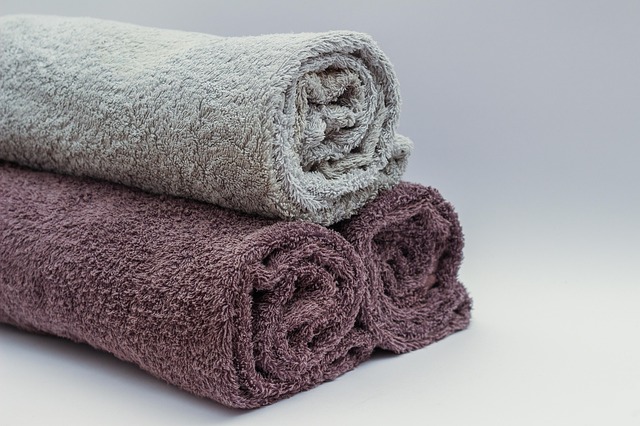
Images are illustrative. Guides focus on general textile knowledge and care literacy.
How to use the guides
Guides are organised like a small course. Start with fibre basics, then move to fabric structures and everyday applications. Each guide aims to answer three questions: what the term means, why it matters in real life, and what you can do at home to care for the fabric.
If you are comparing towels, focus on loop type, weight, and drying behaviour. If you are choosing bedding, focus on weave, breathability, and how the fabric feels after multiple washes. If you are simply trying to make your home feel calmer, begin with the styling guides that connect texture, colour, and storage to daily routines.
Learning pathways
Pick a pathway and follow the recommended order. You can also jump in anywhere if you already know the basics.
Pathway 1: Cotton foundations
Learn fibre basics, staple length, and yarn types. Then connect those ideas to towel absorbency, robe softness, and how fabrics age with washing.
- 1.What cotton is and how fibres differ
- 2.Ring-spun and combed cotton explained
- 3.Softness vs durability: a balanced view
Pathway 2: Structure and feel
Learn how weave and knit structures shape texture. This pathway helps you identify why one fabric feels crisp while another feels plush.
- 1.Weave basics: plain, twill, sateen
- 2.Terry, waffle, and velour: towel textures
- 3.How finishing affects sheen and touch
Pathway 3: Care literacy
Connect guide knowledge to simple routines. This pathway reduces guesswork and helps you avoid common issues such as stiffness, lint, or dull colour.
- 1.Reading care labels and symbols
- 2.Detergent dosing and rinse habits
- 3.Drying choices that protect fibres
Pathway 4: Minimalist comfort
Explore calm styling that supports daily routines. The focus is on functional comfort, not dramatic aesthetic changes.
- 1.Neutral palettes that stay flexible
- 2.Bathroom comfort: towels, mats, and airflow
- 3.Bedroom layering for different seasons
Core guide topics
A practical set of topics that show up in everyday comfort textiles. Use them to build a shared vocabulary for labels, shopping decisions, and care planning.
GSM, weave, and yarn type
Learn what common quality terms mean and how they relate to touch, thickness, and drying speed. This helps you compare items fairly across brands.
Absorbency and drying
Understand terry loops, waffle structures, and how airflow influences freshness. Ideal for towels, robes, and bathroom mats used daily.
Breathability and feel
Learn how weave choices can feel crisp or smooth, and how to set up bedding layers for comfort in changing seasons without overcomplicating.
Longer use through care
Focus on what you can control: wash frequency, drying practices, repairs, and storage. This supports durability while keeping routines realistic.
Guide approach: calm, product-neutral, practical
CelticVoice guides are written to support decisions in everyday life, not to push a particular brand or trend. When we talk about softness, we separate sensation from performance: a towel can feel plush but dry slowly, while another can feel lighter yet stay fresher between uses. Our goal is to help you understand trade-offs and choose what fits your routine.
We also encourage care habits that protect fibres. Small choices add up: appropriate temperature, correct detergent dosing, and mindful drying reduce residue and mechanical stress. For people building a calm home environment, guides link fabric choices to storage, airflow, and a neutral palette so your textiles feel cohesive without requiring constant replacement.
A small checklist for reading any guide
Define the goal
Is your priority softness, absorbency, quick drying, durability, or easy storage? Clarity helps you choose the right trade-off.
Check the basics
Look at fibre content, weave/structure, and weight. These three details often explain most performance differences.
Design a routine
Match a wash and drying plan to the item. A consistent routine is usually more effective than occasional intensive fixes.
Keep it calm
Choose colours and textures that work together. A simple palette reduces visual clutter and supports a relaxed home atmosphere.